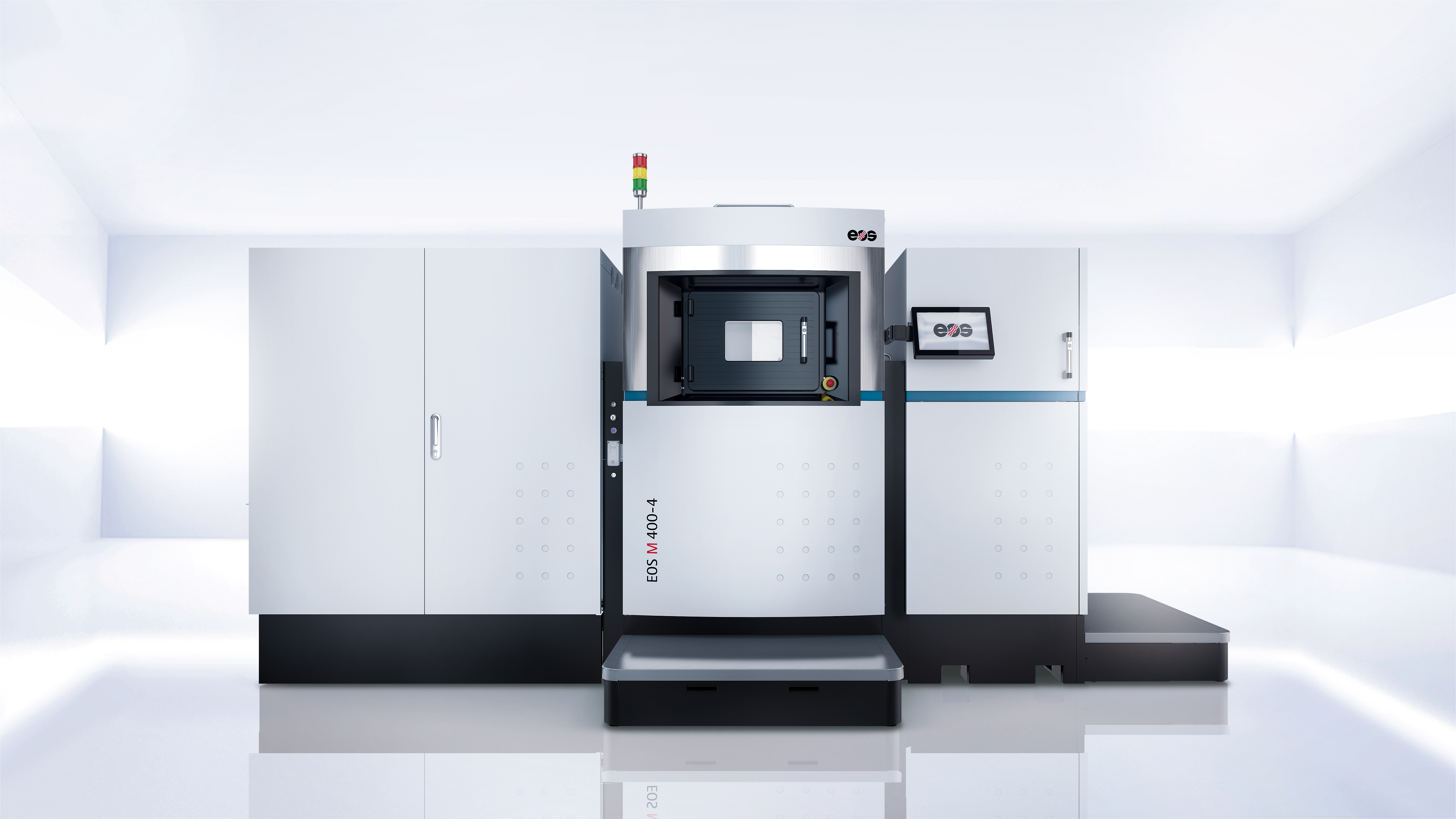
Direct Metal Laser Sintering (DMLS) is a revolutionary technology that produces metal components that are 99.99% dense, directly from your 3D CAD data. The parts produced are comparable to a good investment cast part and the mechanical properties are comparable to those of a cast or machined component.
The DMLS process is not restrictive in its application and the components produced can be used in place of almost any conventionally manufactured part, whether they would normally be machined or cast. The advantage of the process is that the more complex or feature rich the component, the more economical the process becomes.
This fast, flexible and cost-effective method enables you to produce prototype or production parts without the investment in time and money of conventional tooling. Current applications are as diverse as Aerospace, Medical, and Tooling and Automation.

3T’s Direct Metal Laser Sintering Facility
Rapid Prototyping and Rapid Manufacturing using Direct Metal Laser Sintering (DMLS) technology
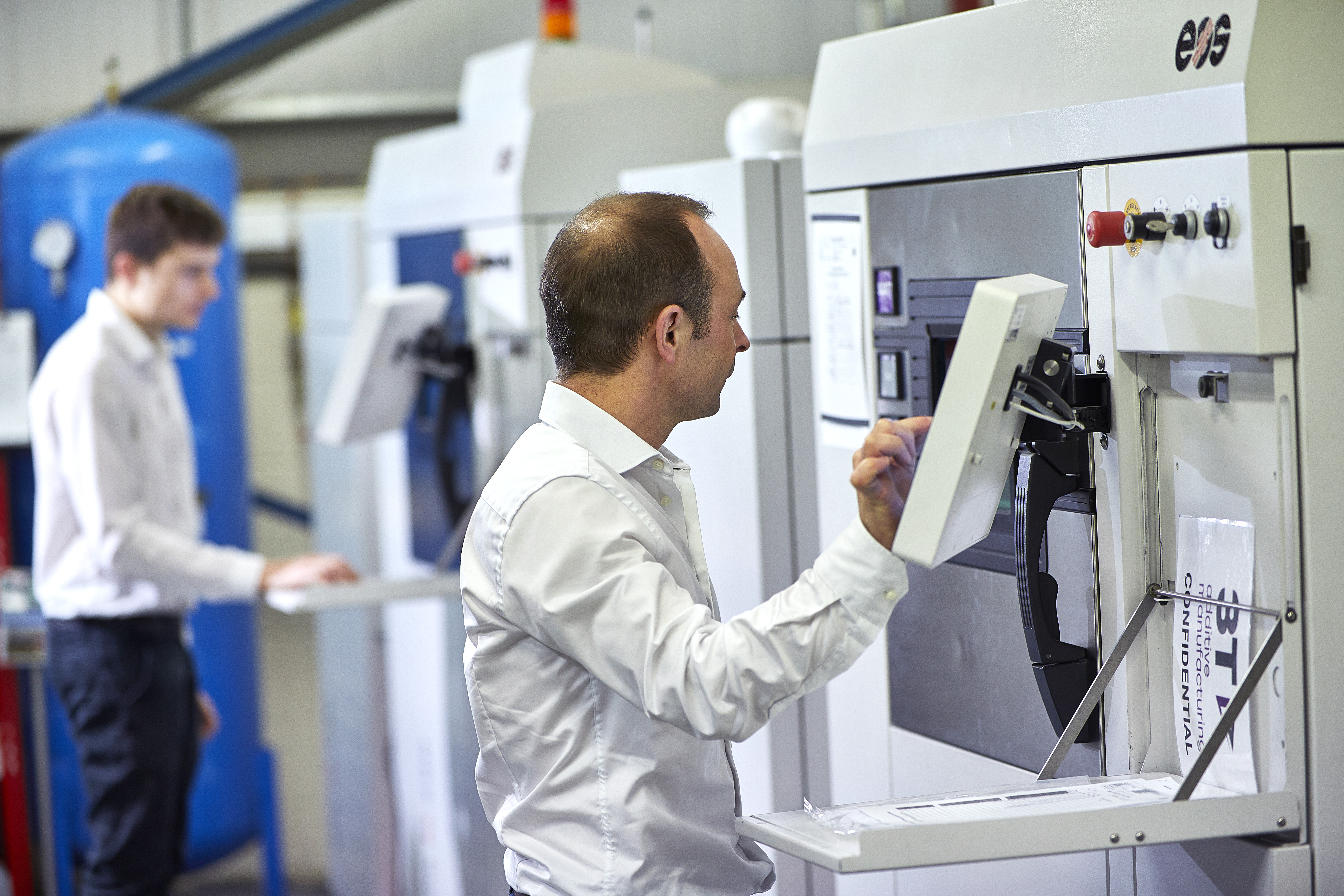
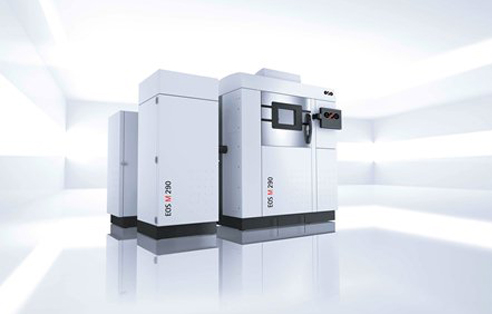
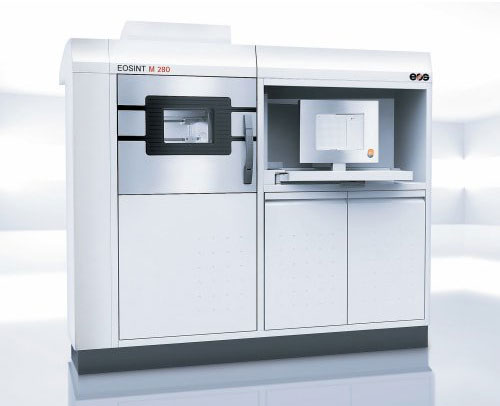
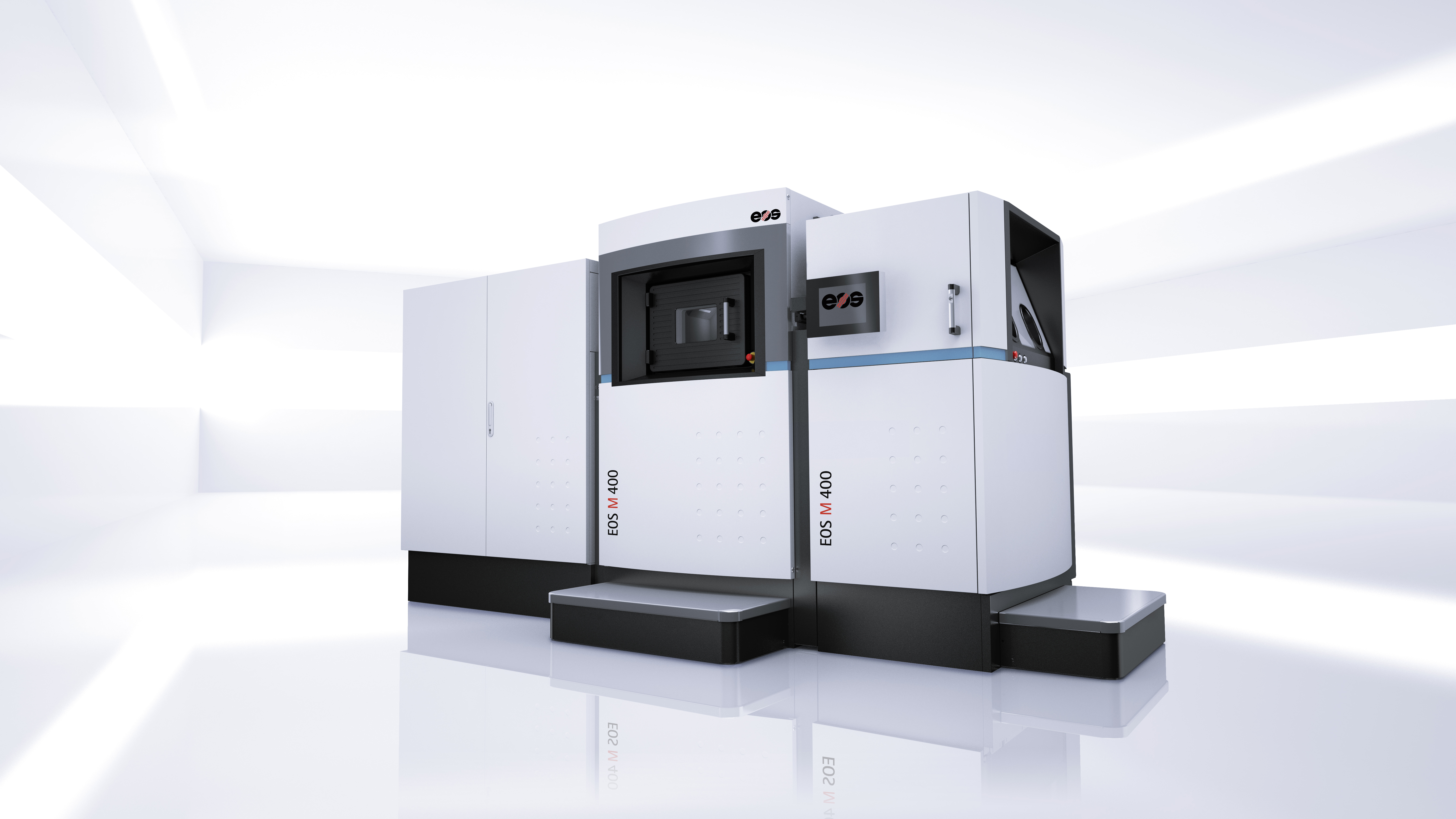
Our newly commissioned DMLS facility has some of the latest technology and an expert team of engineers and finishers to generate the highest quality parts in the shortest lead times possible. DMLS is a fast, flexible and cost-effective manufacturing method that enables you to obtain prototype or production parts in a choice of metals, direct from your CAD data, without the investment in time and money of conventional tooling.
Being an ‘additive’ manufacturing process rather than removing waste material to achieve the desired geometry, DMLS offers endless opportunities in manufacturing and the creation of tooling. Complex geometries can be achieved such as holes, tunnels and voids, with the ‘unsintered’ or loose material simply being removed and recycled for future use, making it both economical and environmentally friendly.
Further information on this technology is available here:
DMLS Applications
DMLS is fast becoming a recognised manufacturing method for the fast, accurate production of one-off prototype components or for the economical manufacture of small series parts for testing purposes, or as final products for use in many different environments.
The process generates hard wearing but intricate components, opening up opportunities to all industries, including Aerospace, Automotive, Electronic and Medical, and for generating Tooling Inserts.
Certain materials give the parts rigidity and weight, thereby making it attractive to the aerospace and automotive sectors for vigorous testing and use in a wind tunnel. The strength of the process makes it attractive to the medical sector, and the high levels of finishing produces parts that are sterile and hygienic.
More and more industries are using physical models throughout their product development cycle, dramatically reducing their time to market and assisting them with:-
- Communication of ideas
- Investigating ergonomics
- Functionality testing
- Wind tunnel testing
- Assembly trials
- Market research
Here are some examples of how DMLS can assist some key industries that we work with: CASE STUDIES
What is DMLS?
DMLS is an ‘additive’ technology that works by fusing together very fine layers of metal powder using a focussed laser beam. In a similar way to the SLA process, parts or inserts have to be anchored onto a steel platform so that they do not move during the build and a support structure is required for most downward facing surfaces. The supports are necessary because the powder alone is not sufficient to hold in place the liquid phase created when the laser is scanning the powder.
The supports and components are built with a layer thickness ranging from 20 to 60 microns, depending on the material used. Each layer is scanned with the laser fusing the powder to the previous layer below it, and forming the new build layer. The base is then lowered one layer, a fresh layer of powder is deposited, and the next layer is scanned. A powerful 200W Yb-fibre laser is precisely controlled in the X and Y co-ordinates allowing for exceptional tolerances to be held (<+/-0.1mm).
The latest technology takes advantage of a ‘dual-spot’ laser allowing feature sizes as small as 0.4mm to be built. With a machine build envelope of 250x250x215mm (including platform), many medium to small parts and inserts are able to be constructed in hours and days versus days and weeks using traditional processes.
Once started, the machine builds unattended, 24 hours a day. Parts and inserts that come out of the machine typically will go through a series of ‘post processing’ steps including support removal, shot peening and polishing. The parts coming out of the machine are 99.99% dense and require no post-sintering or other infiltration process.
Step by step during a DMLS Process

Part straight off the DMLS machine

Part after shot-peening

Part after polishing
Rapid Manufacturing using DMLS
The term ‘Rapid Manufacturing’ (RM) has been coined to describe the manufacture of end-use parts and components by additive layer technologies such as Selective Laser Sintering, Stereolithography (SLA) and the most recent process Direct Metal Laser Sintering (DMLS), perhaps more accurately described as ‘Laser Melting’. The principal advantage of making production parts directly using DMLS, is that there is no tooling required, and only a modest amount of machining and finishing. 98% of the powder not used to make the part is recycled and so the process is economical and environmentally friendly. There are, however, many more benefits from the process.
One notable feature of DMLS is that it is possible to create a part that has both external and internal complexity in one go. Not only does this mean that you can create highly functional parts, but you can potentially combine what would have been several parts into one, saving manufacture cost, reducing assembly time and increasing reliability.
Parts can be labelled directly using DMLS, building a number or other identifier directly into the part, an important attribute for traceability.
Because DMLS parts do not require tooling to make them, not only do you save on the tooling cost, but you can have as many or as few parts at a time as you want, saving on WIP inventory. You can even have small design variations for every single part and the DMLS process will treat them all in the same way. In effect, DMLS enables ‘Mass Customisation’. For example, each of us is very different, but we could all have individually fitted replacement joints based on a single generic design, but manufactured to suit our own sizes and shapes.
There are many more advantages to DMLS, but what are the disadvantages? Whereas the DMLS process can make a vast range of complex forms, it cannot yet make absolutely any geometry. The melting process means that certain geometries need to be supported, causing some challenges to surface finish and requiring some post-finishing. These difficulties can be minimised by the skill of the manufacturer. There is a size limitation of about 220mm x 220mm x 200m high. If the part is particularly solid, then there can be some distortion due to residual stresses. Again, these can be minimised by a skilful operator. Overall however, the process has very many more upsides to downsides, offering enormous benefits for low volume production parts.


Rapid Manufacturing example: bed of Aerospace parts built using DMLS

Rapid Manufacturing example: A finished Aerospace part